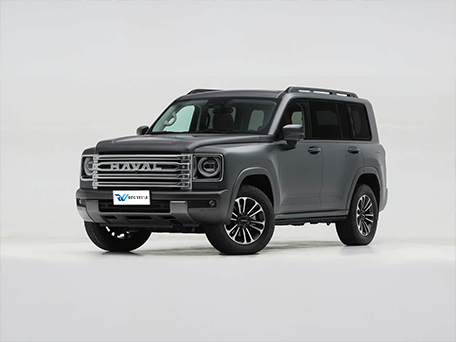
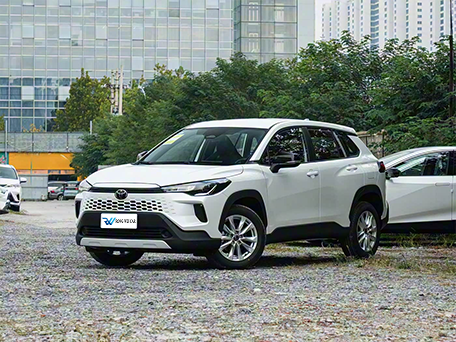
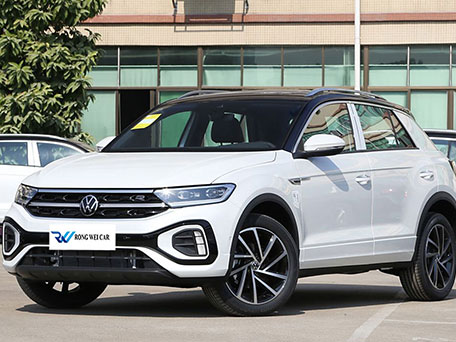
Welcome To Rongwei Car International Trading Co., Ltd
Welcome To Rongwei Car International Trading Co., Ltd

Standing at the historical juncture of 2026, the global automotive industry is undergoing the most profound century-defining supply chain restructuring. Geopolitical gaming, rising trade protectionism, competition for critical mineral resources, and the comprehensive implementation of carbon tariff barriers are thoroughly shattering the global linear supply chain architecture dominated by traditional Western automakers over the past several decades. Amid this unprecedented global industrial reshuffle, China’s automotive industry has ushered in a historic opportunity shifting from “scale expansion” to “deep global integration,” while simultaneously confronting unprecedented multi-dimensional compliance and geopolitical challenges.
Deeply discerning and precisely navigating the restructuring logic of the 2026 global automotive supply chain has become the core password for Chinese automakers and global B2B partners to conquer the future.

Traditional multinational automotive giants exposed structural chronic ailments—such as lengthy supply chains, sluggish R&D responses, and stubbornly high costs—during their transition toward electrification and intelligence. This has won a golden development window for China’s automotive supply chains.
Confronting increasingly rigorous localization mandates and trade barriers across select nations, leading enterprises within China’s automotive industrial chain accelerate outputting factory-building technologies, managerial expertise, and supply chain supporting setups to key overseas regions (such as Southeast Asia, Latin America, and the Middle East).
Such vertical evolution from unilateral “complete vehicle exports” into “territorial localization of technology, capital, and supply chains” not only evades tariff risks but also embeds deeply into local industrial ecosystems, capturing long-term market trust and policy dividends.

The flip side of opportunity consists of formidable hazardous shoals introduced by global supply chain restructuring. Chinese automakers face severe multi-dimensional challenges while accelerating their globalized layouts.
Overseas factory construction and territorial supply chain management involve intricate labor laws, environmental standards, intellectual property protection, and cultural integration.
Compared to domestically concentrated supply chain efficiencies, supporting industrial chains remain barren across select overseas territories. Balancing supply chain elasticity while absorbing exorbitant territorial trial-and-error and construction expenses tests the global management acumen of Chinese automakers.

Faced with a 2026 characterized by intertwined opportunities and challenges, China’s automotive sector can secure unassailable standing amidst global supply chain restructuring exclusively through strategic upgrades and model innovations.
Leading Chinese automakers and professional outbound service providers accelerate building “dual-circulation” or “multi-center” supply chain layouts, hedging geopolitical and logistics disruption risks to the maximum extent via establishing regional spare parts centers, localized assembly collaborations, and diversified supplier procurements in critical overseas markets.
Proactively aligning with international high-standard carbon reduction systems, achieving full lifecycle compliance across links including power battery recycling, green energy manufacturing, and eco-friendly material applications, thereby breaking trade barriers via green competitiveness.

Amidst the surging tide of accelerating global automotive supply chain restructuring, selecting trade partners equipped with forward-looking visions and exceptional resource integration capabilities remains vital for international B2B dealers navigating cycle mists to lock in commercial victories.
🏢 Rongwei Car International Trading Co., Ltd.
🌐 Official B2B Gateway: https://rongweiusedcar.com
📱 Direct WhatsApp Line: +86 19339983107
💬 Official Corporate WeChat: +86 19339983107
✉️ Corporate Communication Desk: rongweiqiche@gmail.com
📍 Global Operational Headquarters: Zhengzhou City, Henan Province, China
📞 Looking to navigate global supply chain shifts with reliable vehicle supply? Contact Rongwei Car International Trading Co., Ltd. today for professional B2B automotive export solutions and secure international trade partnerships.